

If you’ve ever walked barefoot across a sun-baked deck in July or watched your wooden boards warp and gray after a few Tennessee summers, you already know that not every decking material is built for this climate.
The best decking materials for Nashville are those designed to withstand the heat, resist moisture, and still look good years down the road.
This article breaks down your real options, what each one costs you in time and money, and what tends to work best in Middle Tennessee.
Why Nashville’s Climate Is Rough on Decking Materials
Nashville sits in the heart of the Southeast’s humidity corridor. Summers average highs around 89°F in July, with frequent stretches above 90 and heat indexes that regularly feel closer to 104°F.
Spring brings heavy rain. And winters (while mild compared to the north) still deliver temperature swings that stress decking materials over time.
Wood is especially susceptible. Moisture gets in, and boards swell. The sun dries them out, and they contract. After a few seasons, you’re dealing with cracking, warping, and eventually rot.
Tennessee’s warm climate also supports termites and other wood-boring insects year-round, adding another layer of concern for homeowners with real wood decks.
Your Decking Material Options, Compared
Pressure-Treated Wood
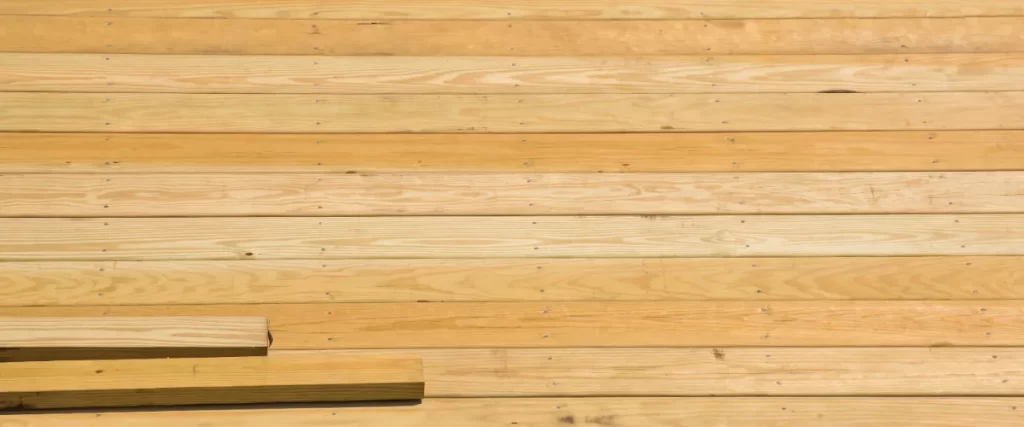
Pressure-treated wood is where many homeowners start, mostly because it’s the most affordable option upfront.
The wood is infused with preservatives that help it resist rot and insect damage, which is important in this region.
The catch is maintenance. You’re looking at sealing or staining every couple of years, regular cleaning, and replacing boards that split or bow over time.
If you’d rather spend weekends on the deck instead of working on it, the math doesn’t favor pressure-treated wood in the long term.
Composite Decking
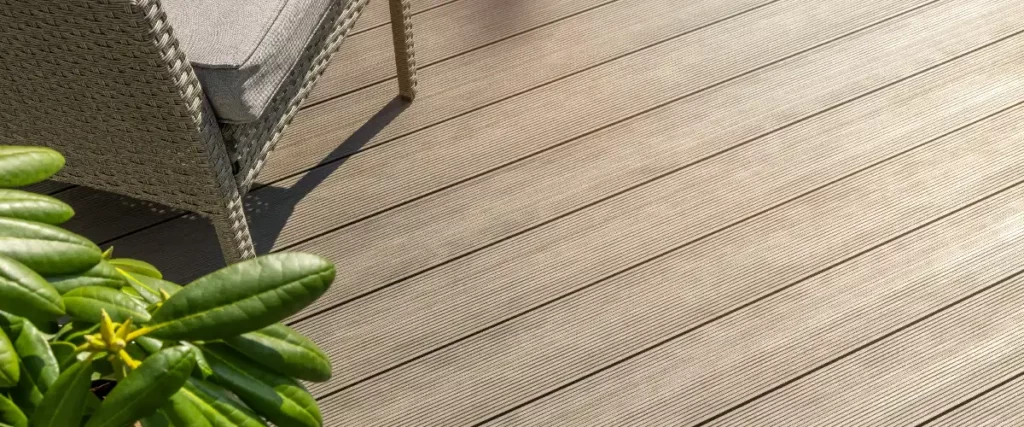
Modern composite decking is made from a mix of wood fiber and recycled materials, often with a protective outer shell that resists moisture, UV exposure, and mold.
For Nashville homeowners, composite is one of the most practical choices available. It holds up well in humidity, doesn’t rot, and requires nearly zero ongoing maintenance compared to real wood. On top of that, most products come with warranties that run 25 years or longer.
One thing worth knowing: composite can get warm underfoot on hot summer days. If you have kids running around barefoot in August, lighter color options and some shade coverage are worth planning for.
PVC Decking
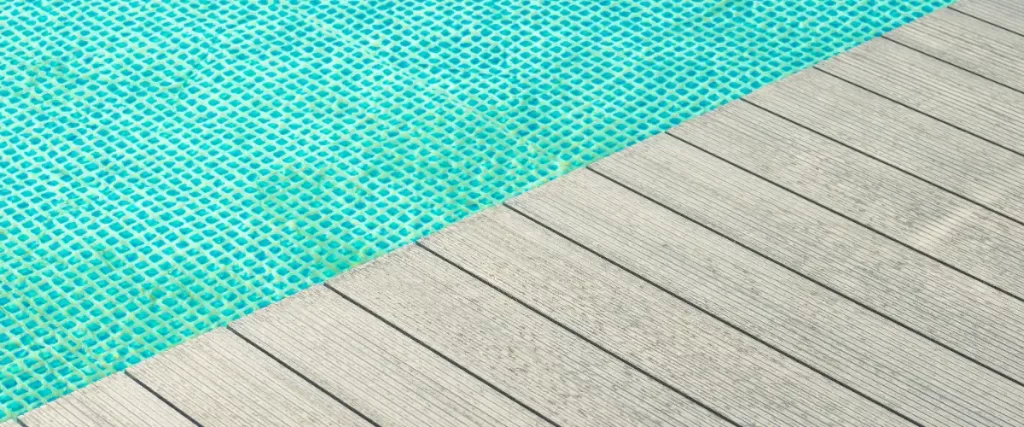
PVC decking is made entirely from plastic. So, no wood at all. That makes it about as moisture-resistant as decking can get. It won’t rot, won’t attract insects, and doesn’t absorb water.
When homeowners compare PVC or composite decking side by side, both require very little upkeep. But PVC usually wins in terms of moisture resistance.
PVC also costs more upfront, but with a lifespan of 50 years or more, it often pays for itself in the long run, especially in a climate that’s hard on organic materials.
Ipe and Tropical Hardwoods
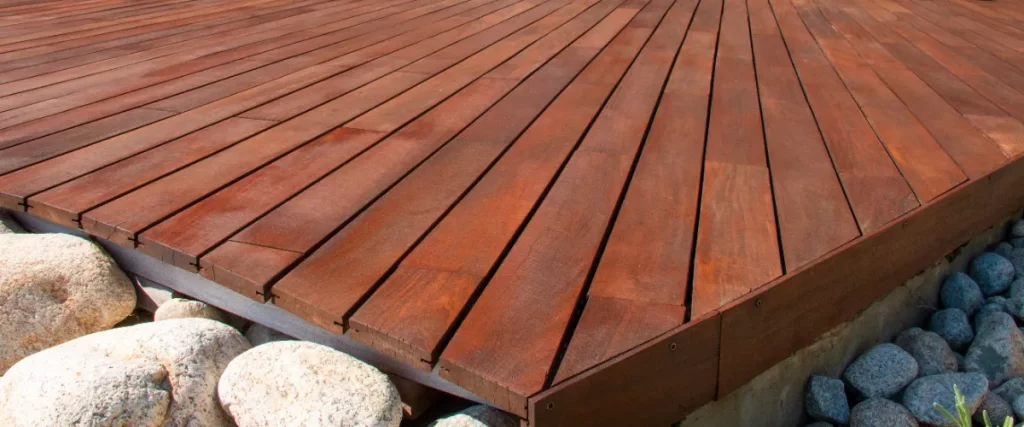
Ipe is a tropical hardwood that earns every bit of its reputation. It’s incredibly dense, naturally resistant to rot and insects, and can last 40 to 75 years with minimal treatment.
Homeowners who want real wood and are willing to pay for it often end up with this option.
The tradeoff is installation complexity and cost. Ipe needs to be pre-drilled before fastening, and its density blunts standard saw blades, so carbide-tipped tools are required.
It also benefits from occasional oiling to preserve color, though many homeowners let it go silver naturally. Beautiful material, but not the easiest to work with.
Quick Comparison of Decking Materials
| Material | Moisture Resistance | Maintenance Level | Avg. Lifespan |
|---|---|---|---|
| Pressure Treated Wood | Moderate | High | 15–25 years |
| Composite | High | Low | 25–30 years |
| PVC | Very High | Very Low | 50+ years |
| Ipe Hardwood | Very High | Low–Moderate | 40–75 years |
| Cedar | Moderate | Moderate | 15–25 years |
What Nashville Homeowners Actually Build With
Composite and PVC dominate new builds and deck replacements across the Nashville area, and it makes sense once you do the math.
When you factor in maintenance costs, replacement boards, and the years of effort it takes to preserve wood in this climate, low-maintenance materials become a lot more appealing.
That’s not a knock on wood decking. Cedar and pressure-treated boards can still be a great fit depending on your style and budget.
But if you’re building something you want to enjoy for decades, composite and PVC are the leading choices for Tennessee’s climate.
Our team at ProDeck Builders Nashville builds decks across the region. We’ll walk you through which option actually fits your yard, your family, and your long-term plans.
A Note on Heat and Bare Feet
Nashville summers are serious. The Tennessee Department of Health issues heat advisories during extreme summer heat events, and your deck surface temperature tracks closely with air temperatures, sometimes exceeding them.
Darker deck boards absorb more heat than lighter ones, regardless of material type.
If you’re building a family deck where kids will be running around barefoot, lighter color choices and shade elements like pergolas are worth building into your plan from the start.
Frequently Asked Questions
What is the best decking material for hot, humid climates like Nashville?
Both composite and PVC perform well in high humidity. They resist moisture, don’t rot, and require far less upkeep than wood. PVC is more moisture-resistant than composite, but composite tends to offer a more natural appearance.
How long does pressure-treated wood last in Tennessee?
With regular sealing and staining, pressure-treated wood can last 15 to 25 years. Without consistent maintenance in Nashville’s humidity, expect a shorter lifespan.
Is composite decking worth the higher price?
For most homeowners, yes. The upfront cost is higher than pressure treated wood, but composite requires far less maintenance over its life. Over 25 to 30 years, the total cost often works out in its favor.
What decking materials are most resistant to termites in Tennessee?
PVC has no organic content, so termites have nothing to feed on. Composite with a solid PVC cap layer is also highly resistant. Among real wood options, ipe is naturally dense enough that insects rarely cause serious damage.
Do I need a permit to build a deck in Nashville?
Most deck builds require a permit through Metro Nashville’s Department of Codes and Building Safety. Requirements vary based on size, height, and how the deck attaches to your house, so it’s worth checking before you build.
Does PVC decking get too hot to walk on in summer?
All decking warms up in direct sun, including PVC. Lighter colors absorb less heat. If surface temperature is a concern, ask about color options and plan for some overhead shade.
Finding the Best Decking Materials for Your Nashville Home Is Easier With the Right Builder
To summarize:
- Pressure-treated wood suits homeowners who enjoy upkeep and want to preserve that real wood feel.
- Composite and PVC are better fits for anyone who wants a deck that holds up in Tennessee’s summers without constant attention.
- Ipe sits in its own category as a premium, natural option with an impressive lifespan of 40 to 75 years.
If you’re still not sure what to pick, a conversation with someone who builds decks in Nashville every day is your best bet. Call us at (615) 704-5214 or message us here to get your answer.