

Trex decks can have real problems, and if yours is showing signs of wear, discoloration, or structural issues, you’re not alone. Nashville’s climate puts composite decking through its paces in ways that not every homeowner anticipates when they first install it.
And speaking of summer heat: composite decking is denser than wood and retains more heat, which can make barefoot walks across the deck uncomfortable on peak summer afternoons. It’s one of those quirks of the material that catches Nashville homeowners off guard.
This post walks you through the most common Trex deck problems, what causes them, how to fix them, and when it makes more sense to call a professional than to go it alone.
Why Trex Is So Popular (and Why Problems Still Happen)
Trex composite decking has earned a strong reputation as a low-maintenance alternative to wood decks. No sealing, no painting, no annual sanding. That’s a big selling point, especially for Nashville homeowners who’d rather spend weekends on the back deck than maintaining it.
But “low maintenance” doesn’t mean “zero maintenance,” and it definitely doesn’t mean “problem-free.”
Composite deck boards are made from wood fibers and recycled plastic film, and that combination behaves differently than cedar or other traditional decking materials in ways that can surprise people.
Common Trex Deck Problems Nashville Homeowners Face
1. Mold and Mildew Buildup
This is probably the most frequently reported issue with Trex and other composite decking. Nashville sits in a humid region, and moisture finds its way into the textured surface of composite boards more easily than you might expect.
Mold growth appears as dark streaks or fuzzy patches, often in shaded areas or where debris collects.
The good news: it’s usually surface-level and doesn’t affect the board’s structural integrity.
How to handle it:
- Use a composite deck cleaner (not harsh cleaners or bleach-based products)
- A garden hose with moderate pressure works for light buildup
- For heavier mold, a gentle pressure wash on a low setting is typically fine, but check Trex’s official cleaning guidelines before you pressure wash
Trex recommends cleaning your deck twice a year, in spring and fall, to remove pollen, mold, and mildew before they build up. In Nashville’s humidity, sticking to that cadence makes a real difference.
2. Fading and Discoloration
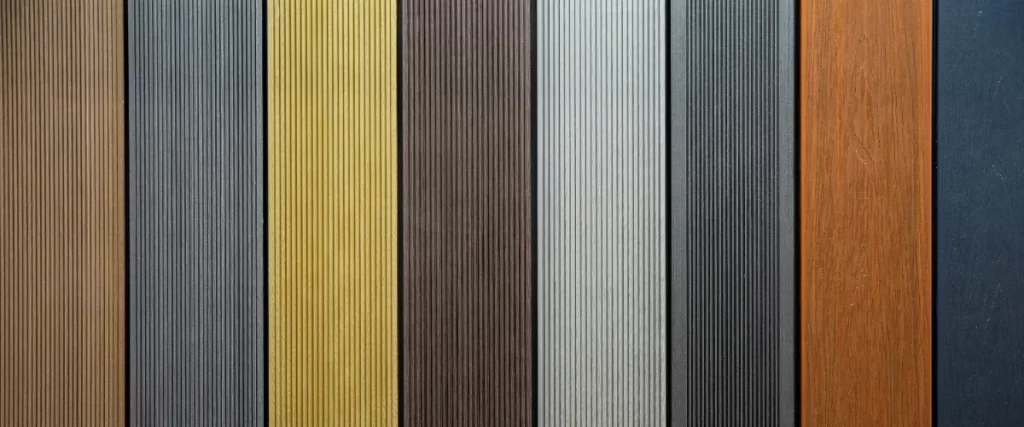
Trex decking holds up well against UV exposure compared to wood, but it’s not immune. Over time, boards can fade unevenly, especially on decks with partial shade, where some boards bake in the sun all day, and others don’t.
All major Trex product lines include fade and stain warranty coverage, but the duration varies by line: 25 years on the entry-level Enhance line, up to 50 years on Transcend and Signature.
3. Scratches and Surface Damage
The textured surface on Trex boards does a good job of hiding minor scratches, but not all scratches are equal. Light surface marks can often be buffed out using a composite deck cleaner and a soft-bristle brush.
Deeper gouges are a different story. Those typically require a color-matched repair kit, which Trex offers for situations where the scratch is too significant to buff away but doesn’t warrant replacing the whole board.
That said, if a scratch is deep enough to expose the interior material, don’t ignore it. That’s a point of entry for moisture, and it’s worth addressing sooner rather than later.
4. Warping and Sagging
Warping is often traced back to improper installation rather than a material defect.
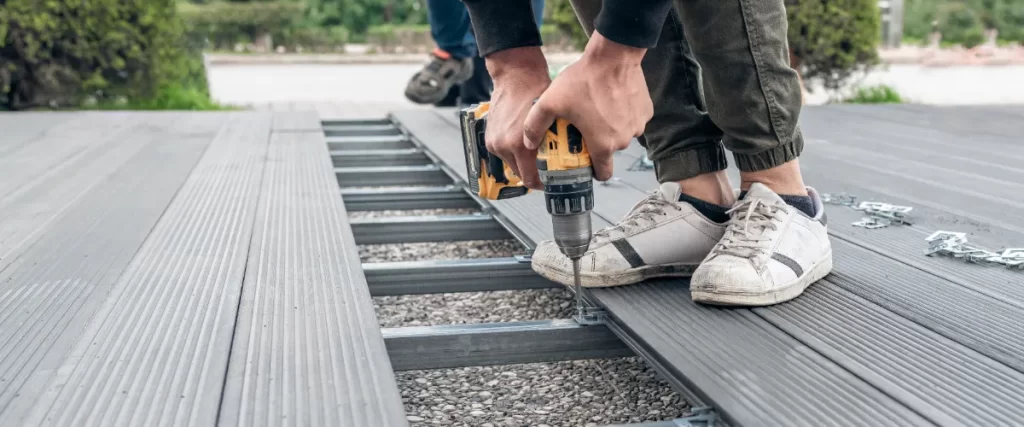
Trex installation instructions specify joist spacing, gap requirements between boards, and fastener types. When builders skip steps or use the wrong spacing, the boards expand and contract with temperature changes and have nowhere to go.
To avoid sagging and warping down the road, make sure your installer follows Trex’s installation guidelines to the letter.
5. Staining from Organic Material
Leaves, bird droppings, pollen, and grill grease can leave stains on composite boards. Most of these clean up fine if you catch them early.
One thing worth knowing: Trex’s stain warranty requires that food and grease spills be cleaned within 7 days. Let them sit longer than that, and you may lose your ability to make a warranty claim on the stain, on top of the stain itself becoming much harder to remove.
6. Slippery When Wet
Because composite decking contains plastic, Trex boards can get slippery when wet, more so than a traditional wood deck. It’s especially noticeable around pools, in shaded areas that stay damp, or after heavy rain.
If you have kids or older family members using the deck regularly, it’s worth factoring in.
Anti-slip strips or composite-safe traction products can help, and choosing a more textured board when you’re building new can reduce the issue from the start.
When It’s an Installation Problem vs. a Material Problem
This distinction matters a lot when you’re trying to figure out whether your Trex warranty applies.
Trex’s warranty covers material defects, not installation errors. So if your boards are warping because the original builder used the wrong joist spacing, that’s not something the Trex company will cover. You’d need to go back to whoever installed the deck.
That’s why it’s worth getting the installation done by someone who knows the product. Composite decking isn’t installed the same way as wood decks, and contractors accustomed to working with cedar or pressure-treated lumber sometimes miss the details that matter.
If you’re in Nashville and thinking about a new deck or replacing an existing one, the team at ProDeck Nashville builds with composite materials regularly and knows the installation requirements that protect both the deck and your warranty.
What the Trex Warranty Actually Covers
Trex’s residential warranty ranges from 25 to 50 years, depending on the product line. Here’s a quick breakdown:
- Trex Enhance: 25-year limited residential warranty
- Trex Select: 35-year limited residential warranty
- Trex Transcend: 50-year limited residential warranty
- Trex Signature / Transcend Lineage: 50-year limited residential warranty
All of these lines include coverage for fade and stain resistance, as well as protection against material defects, rot, and structural damage from termites or fungal decay.
What Trex warranties typically do NOT cover:
- Damage from improper installation
- Scratches or surface damage from physical impact
- Damage caused by using harsh cleaners or pressure washing incorrectly
Before you file a warranty claim, read through Trex’s official warranty documentation for your specific product line.
Should You Repair or Replace?
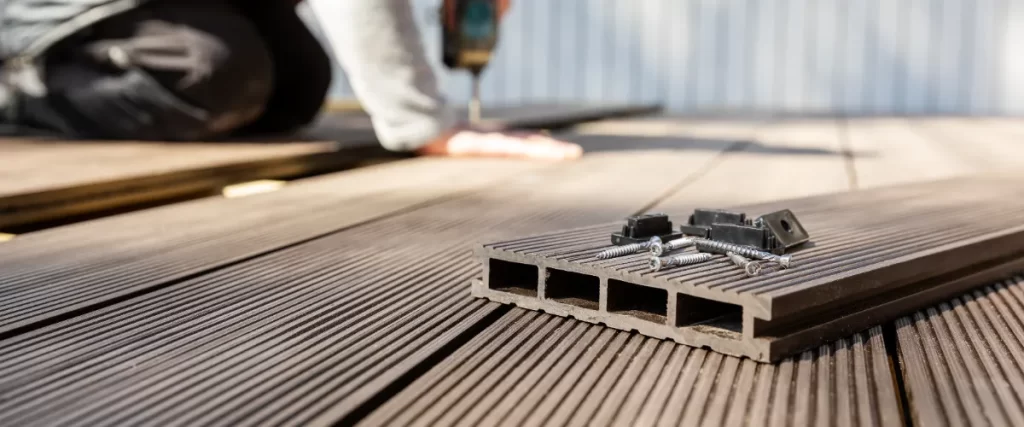
Not every problem requires full board replacement. Here’s a simplified way to think about it:
Repair if:
- The damage is cosmetic (light fading, minor scratches)
- Only one or two boards are affected
- The issue is surface mold that cleans up
Replace boards if:
- The structural integrity of the board is compromised
- Moisture has gotten inside the composite material
- The damage is widespread, and cleaning doesn’t help
Replace the whole deck if:
- The substructure (joists, posts, fascia) is rotted or compromised
- Multiple issues are stacking up, and the deck is very old
- You’re dealing with systemic installation errors that affect the whole surface
One thing to keep in mind: matching replacement materials is sometimes harder than it sounds.
Trex updates its product lines, so if your deck is more than a few years old, finding the same material and color might be difficult.
FAQ: Trex Deck Problems
Can Trex decking rot?
Trex composite boards are resistant to rot because they don’t have solid wood on the interior. However, the substructure, including your joists and posts, is often still made of wood and can rot if water seeps in from above. Keep an eye on those areas.
Why is my Trex deck turning green?
That’s almost always algae or mold. It’s very common in shaded areas, especially here in Nashville, where humidity is high. Clean it with a composite-safe cleaner, and it should come off, as long as it hasn’t been there too long.
Does power washing damage Trex decking?
It can, if you use too much pressure or hold the nozzle too close. Trex recommends using a fan tip at no more than 3100 psi, kept at least 8 inches from the surface. Always check their current guidelines before pressure washing, and note that power washing is not recommended for early-generation Trex products.
Is Trex slippery when wet?
It can be, and it’s one of the more common complaints about composite decking. The plastic content in composite boards tends to get slicker than wood when wet. Anti-slip strips help, and if you’re building new, opting for a more textured board profile reduces the risk considerably.
How long should a Trex deck last?
Depending on the product line and maintenance, Trex decks are designed to last 25 to 50 years. Entry-level lines like Enhance carry a 25-year warranty, while premium lines like Transcend and Signature are backed for 50 years.
Can scratches on Trex be repaired?
Often, yes. Light surface scratches can usually be buffed out with a composite deck cleaner and a soft-bristle brush. For more serious damage, Trex offers color-matched repair kits. Full board replacement is typically necessary only when the scratch has penetrated the board’s interior material.
Is Trex worth it compared to wood?
For most Nashville homeowners, yes. The upfront cost is higher than cedar or pressure-treated wood, but the long-term maintenance savings and durability make it competitive over the life of the deck.
Let Someone Else Deal With It
Look, Trex deck problems are fixable, but dealing with warranty claims, sourcing replacement materials, figuring out whether it’s an installation issue or a material defect, and then actually doing the repairs? That’s a lot of time and energy.
If your deck isn’t in top shape, or you’re thinking about building a new deck and want it done right the first time, call ProDeck Builders Nashville at (615) 704-5214 or message us here.
We know Nashville’s climate, composite decking, and we can tell you pretty quickly what you’re actually dealing with.