

Composite deck vs wood deck is one of the most common dilemmas homeowners face when planning a new deck, and the answer isn’t the same for everyone.
There are real pros and cons on both sides. Cost, maintenance, lifespan, looks… all of it matters.
This article breaks down exactly what you’re signing up for with each option, so you can make a call you’ll still feel good about five years from now.
Composite vs Wood Decking at A Glance
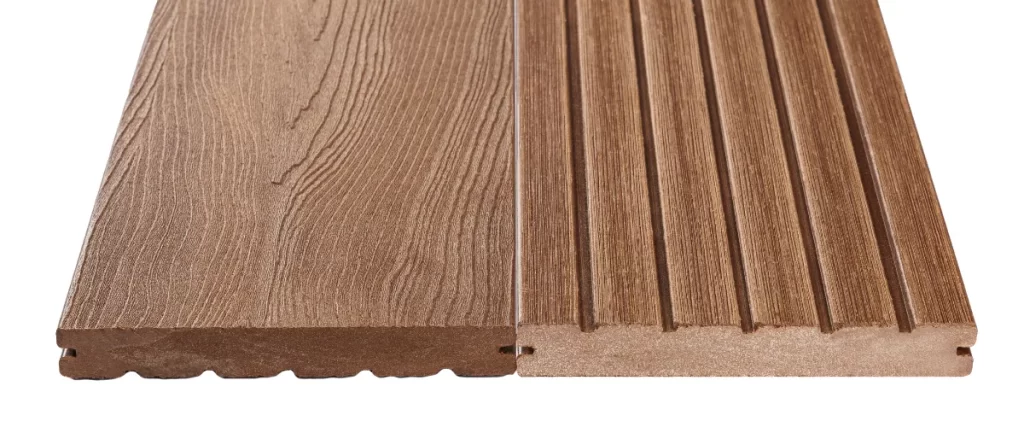
Before getting into pros and cons, it helps to know what each material actually is.
Traditional wood decking is either pressure-treated lumber (like pressure-treated pine), naturally rot-resistant species like cedar or redwood, or exotic hardwoods. It’s been the go-to for decades, and for good reason.
Composite decking is made from a blend of wood fibers and recycled plastic. Brands like Trex have popularized it, and composite manufacturers now offer multiple product lines with different finishes, colors, and performance tiers.
Both can build a beautiful outdoor space. The differences show up over time.
The Honest Cost Breakdown
Wood is nearly always cheaper upfront. A pressure-treated pine deck will cost less per board than most composite deck boards.
But the story doesn’t end at installation. The ongoing maintenance of a wooden deck adds up fast.
Annual maintenance for a wood deck typically includes:
- Cleaning and inspecting for rot or insect damage
- Periodic staining or sealing (every 2-3 years, depending on your climate and the stain type used)
- Board replacement when sections warp or crack
Composite decking requires significantly less maintenance. Most composite decks just need an occasional wash.
Over a 10-15-year period, the math often flips:
| Pressure Treated Wood | Composite (Mid-Range) | |
|---|---|---|
| Avg. Installed Cost (per sq ft) | $25 – $50 | $40 – $65 |
| Annual Maintenance Cost | $500 – $1,000+ | Minimal |
| Lifespan | 15 – 25 years | 25 – 50 years |
| Staining/Sealing Required | Yes | No |
| Fades in Direct Sun | Yes | Minimal |
Durability: Where Composite Pulls Ahead
This is probably composite decking’s strongest selling point. Unlike wood, composite boards don’t absorb moisture the same way.
That means less warping, cracking, and swelling over time. In Nashville’s climate, where you get hot summers and wet springs, that matters a lot.
Composite decking lasts longer on average, and many composite decks come with manufacturer warranties of 25 years or more.
Wood decks can absolutely last that long, too, but they need consistent care to get there. Skip a season of staining and sealing, and you’ll start to notice.
Insect damage is another factor. Termites and wood-boring insects simply aren’t attracted to composite materials the same way they are to real wood.
The Look and Feel Debate
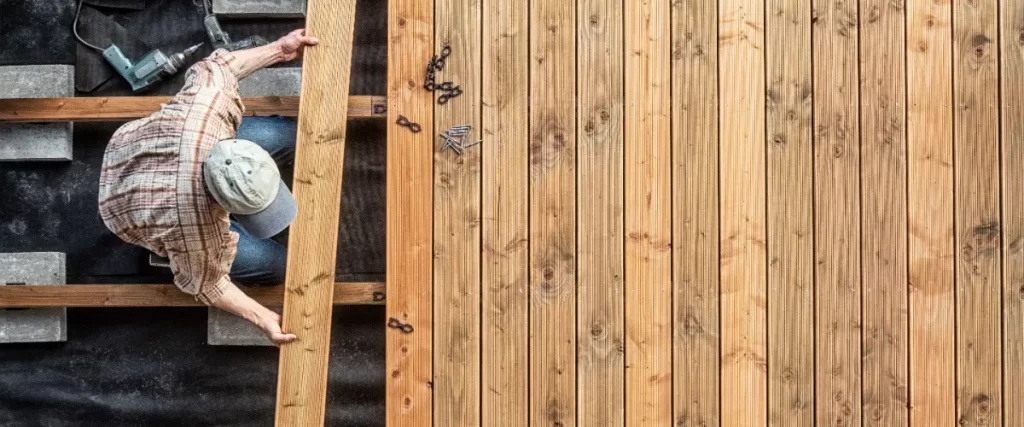
Here’s where wood fans make a strong case. Natural wood has grain patterns and a warmth that composite products are still working to replicate.
Cedar or redwood decking, freshly stained, is genuinely beautiful. If you’re someone who values the natural look above everything else, wood might just be the right decking material for you.
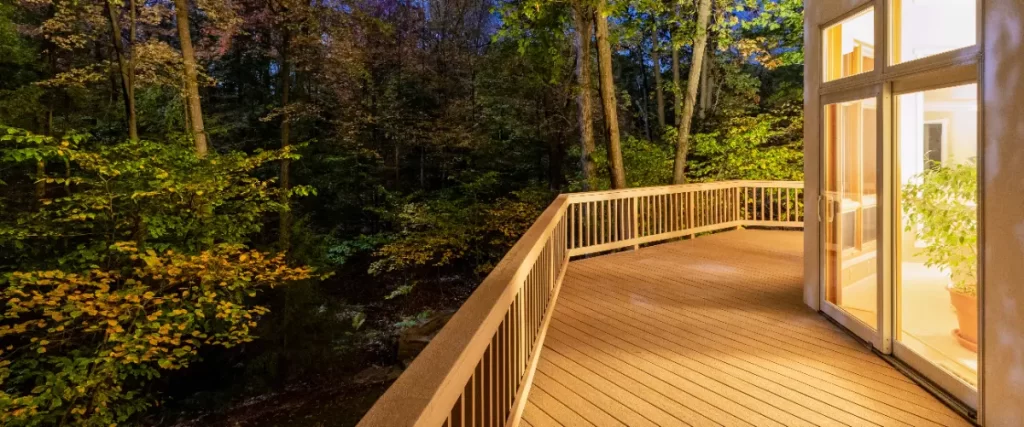
Composite has come a long way, though. Modern composite decking materials look remarkably close to natural wood, and they hold that appearance better over time. Many homeowners are genuinely surprised when they find out a deck is composite rather than real wood.
One thing worth mentioning: composite boards can get hotter underfoot in direct sunlight. If you have kids running around barefoot in July, that’s something to factor in. Some composite manufacturers have addressed this with heat-resistant lines, but it’s still worth asking about.
Environmental Considerations
This one’s interesting. Pressure-treated wood uses chemical preservatives to prevent rot, and older formulas contained arsenic compounds. The EPA has resources on treated wood safety if you want to go deeper.
Composite decking, on the other hand, is largely made from recycled materials, including recycled plastic and reclaimed wood fibers. If environmental impact is part of your decision, composite decking scores better there.
That said, sustainably sourced cedar or redwood is a renewable resource. It’s not a black-and-white call.
So, Who Should Choose What?
There’s no universal right answer, but here’s a good starting point:
Choose wood decking if:
- You want the lowest possible upfront cost
- You genuinely enjoy hands-on home maintenance
- You love the look of natural wood and don’t want a substitute
- You’re planning a shorter-term project
Choose composite decking if:
- You don’t want to think about annual upkeep
- You’re planning to stay in your home for 10+ years
- You have kids or pets who’ll be on the deck constantly
- You’re building in a climate with a lot of moisture or heat
If you’re in Nashville and thinking through the decision for your specific yard, the team at ProDeck Builders Nashville can walk you through both options based on your layout, budget, and goals. Talking to someone who builds these every day makes the decision a lot easier.
FAQ: Composite Deck vs Wood Deck
Is composite decking cheaper than wood in the long run?
Usually, yes. The upfront cost of composite is higher, but its minimal maintenance and longer lifespan mean many homeowners spend less than wood deck owners who factor in staining, sealing, and board replacement over time.
How long does a composite deck last compared to wood?
Composite decking lasts longer on average, often 25-30+ years with little upkeep. A pressure-treated wood deck typically lasts 15-25 years, depending on how well it’s maintained.
Does composite decking look like real wood?
Modern composite decking products have improved dramatically. Many composite decks closely mimic natural wood grain patterns and coloring. It won’t be identical to real wood up close, but from a normal viewing distance, many homeowners can’t tell the difference.
Can composite decking handle direct sunlight?
Composite boards can get hotter than wood in direct sun, which can be uncomfortable on bare feet. Many composite manufacturers now offer cooler-surface lines, so it’s worth asking specifically about heat performance when shopping.
What’s the best decking material for a wet climate?
Composite decking is generally better in wet climates because it resists moisture absorption, rot, and insect damage more effectively than traditional wood decking. Cedar or redwood can also perform well with proper sealing, but require more regular maintenance to stay that way.
Is pressure-treated wood safe for a deck?
Modern pressure-treated lumber formulas are safer than older arsenic-based treatments.
One Last Thing Before You Decide
Going back and forth on the composite deck vs wood deck question can eat up a lot of time. And a lot of what determines the right call comes down to your specific situation, your yard, your budget, and what you actually want out of the space.
Rather than spending another afternoon on comparison charts, just talk to someone who does this every day. Call us at (615) 704-5214 or message us here, and we’ll help you figure out which direction makes the most sense for your home.